Spain vs. Italy: where to buy property?
Spain and Italy have long been among the most popular destinations for Slovaks and Czechs who dream of owning their own property abroad. Both countries offer sun, sea and a pleasant lifestyle, but in practice they differ more than you might think. In this article, we will compare both destinations in terms of prices, type of property, taxes, legal process and who is best suited for which country.
Property type: resort apartment or townhouse?
The first major difference is what type of real estate is prevalent in each country.
- Spain – apartments in condominiums and resorts dominate here, mostly with a swimming pool, garden and full service. This is a typical “holiday” housing model, which is also very suitable for short-term rental.
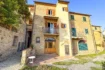
- Italy – here, on the contrary, interest in detached houses, rural stone buildings, apartments in historic towns or villas with land prevails. Life is more connected to the local environment than to resort-type housing.
Summary: If you are looking for a simple solution with a pool and service, Spain will suit you better. If you are looking for an authentic house, land or life in an authentic environment, Italy is a more natural choice.
Real estate prices
Prices in both countries vary significantly by region, but in general:
- V Spain You can find quality apartments in coastal resorts (Costa Blanca, Costa Cálida, Costa de Almería) from around €150,000 - €250,000 for second-hand apartments or from €250,000 for new apartments, and more luxurious villas with a swimming pool range from €500,000 and up.
- V Italy prices are significantly more variable – you can buy a stone country house in the Abruzzo region for under €150,000, while a large villa in Tuscany with land and a swimming pool can cost over €500,000 to a million. However, apartments can be purchased from €100,000 in popular locations.
Italy thus offers a wider range – from very affordable properties in the interior to luxury villas in Tuscany.
Taxes and fees
When buying property in both countries, you must consider additional costs beyond the purchase price:
- V Spain and Italy taxes and fees generally range between 7 – 12% of the purchase priceThey include property transfer tax and notary fees - contracts in both countries are signed exclusively with a notary.
- In Spain, as a foreigner, you will generally pay higher property tax than locals - this difference should be taken into account when calculating.
- In Italy, the amount of tax also varies depending on whether it is your only property (prima casa) or a second/recreational property – the latter option is usually more expensive.
Legal process of purchase
The purchasing process is quite similar in both countries and relatively simple for EU citizens:
- Obtaining a tax registration number – in Italy fiscal code, in Spain NIE (Foreigner Identification Number).
- Opening a bank account in the country.
- Signing the reservation contract.
- Preparation of documents and signing of the purchase contract at a notary (the contract must be bilingual, e.g. Italian/English or Spanish/English).
- Registration in the real estate cadastre.
The entire process usually takes from 1 to 3 months in both countries. Given that the contracts are in a foreign language, we strongly recommend having a Slovak-speaking lawyer available to explain the content of the contract to you and communicate with the notary and the seller on your behalf.
Rental yield
- Spain – thanks to the resort character and strong tourist infrastructure, apartment rental (especially on the coast) is a well-established business with predictable demand throughout the season.
- Italy – rentals are more dependent on location and season. Tuscany and coastal areas have strong tourist demand, inland areas are more suitable for own living than for short-term rentals.
If rental is your main investment objective, Spain offers a more stable and more easily scalable model.
Lifestyle and accessibility
Both countries have excellent air connections with Slovakia and the Czech Republic, which facilitates regular travel and remote property management.
- Spanish coastal resorts offer a more organized, “touristy” lifestyle with plenty of services nearby.
- Italy offers a more authentic, slower lifestyle connected to the local community, gastronomy, and history.
Summary: which country is right for you?
If you are looking for an investment with clear rental potential and a comfortable “holiday” lifestyle, Spain is probably a better choice. If you are looking for an authentic home, a larger plot of land, or a life connected to history and gastronomy, Italy will be closer to you.
It is best to compare both countries in person - combining a property viewing with a holiday is a common and proven way to make a decision. At Almond Villas, we have properties in both countries and will be happy to help you find the one that suits your needs and budget.
Are you interested in a specific property in Spain or Italy? Contact us or view our current offer of properties for sale.